Udostępnij:
10/6/26
Przemysł meblarski / drzewny
7 signs your company needs automated quality control
Automated Quality Control
Rising quality requirements, increasing pressure on efficiency
and staffing issues mean that traditional quality control is no longer sufficient.
How do you know it's time for automation in your company?
1. First, customer complaints are becoming more frequent
A single complaint can cost significantly more than the defective item itself.
Costs include:
- transport, rework, employee time, loss of customer trust.
If quality issues are only detected after the product has been shipped, it means the current inspection system isn't effective enough.

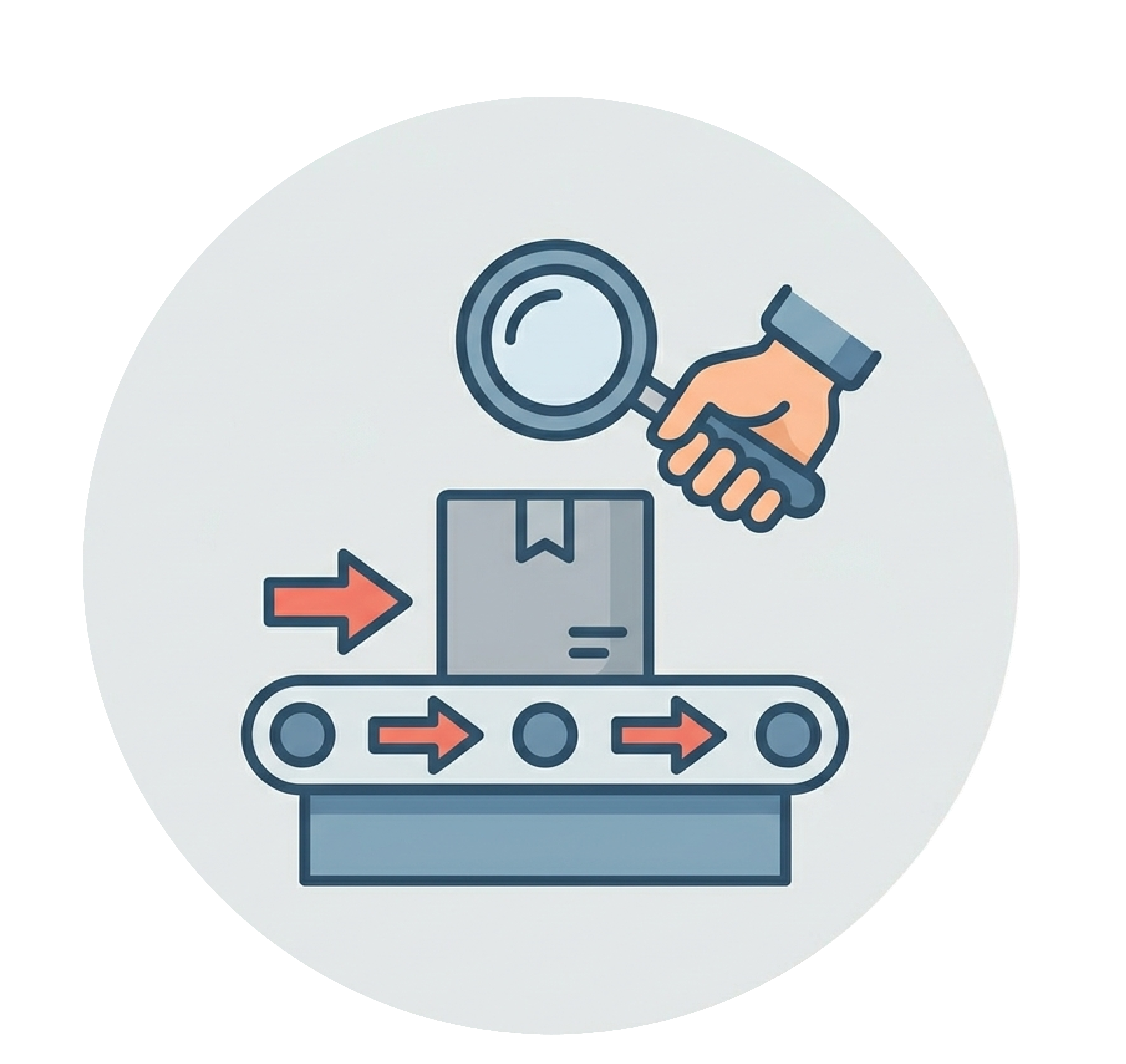
2. The quality control process becomes a production bottleneck.
Production speeds up, but quality control is still performed manually.
As a result:
- products wait for inspection, downtime increases, and lead times extend.
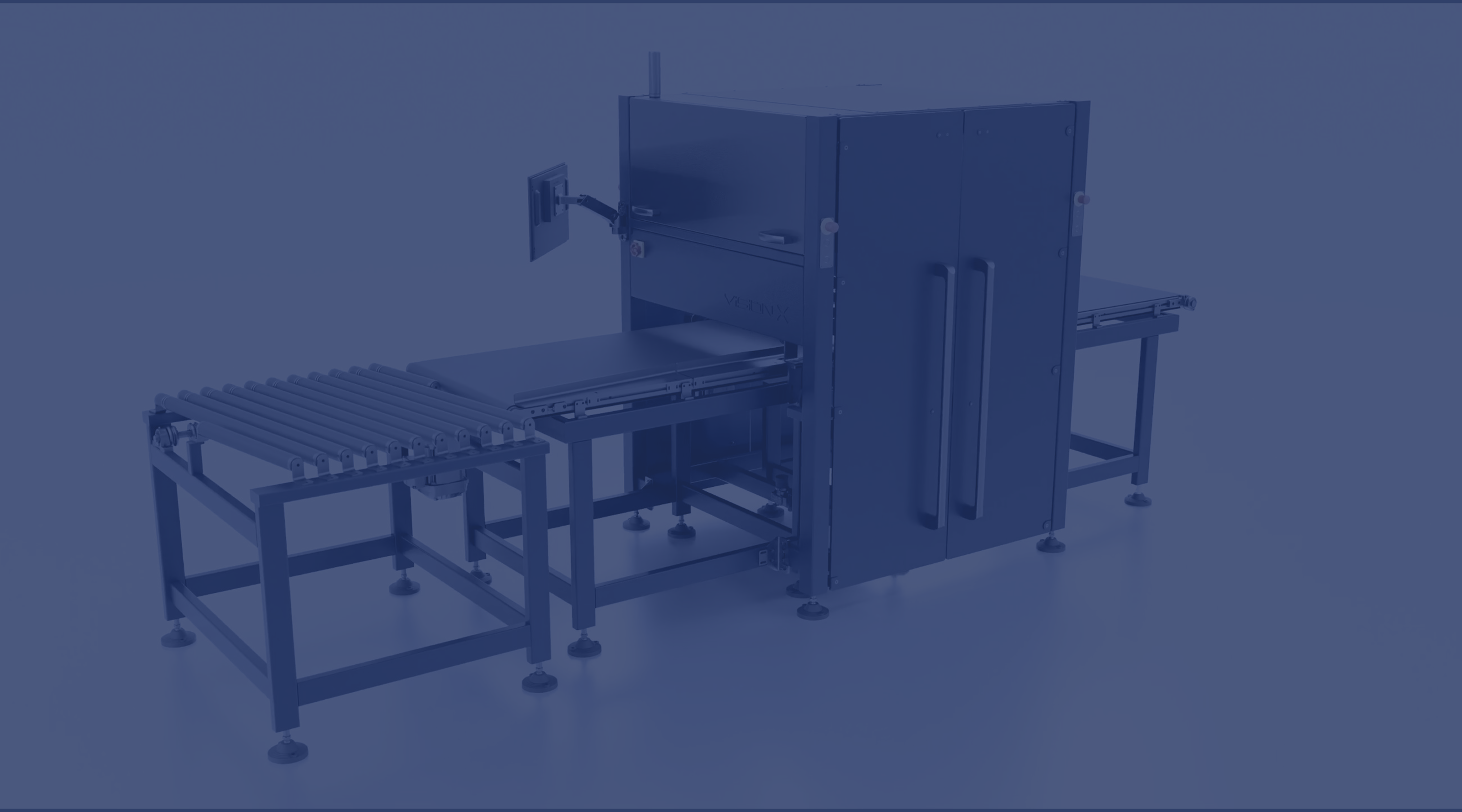
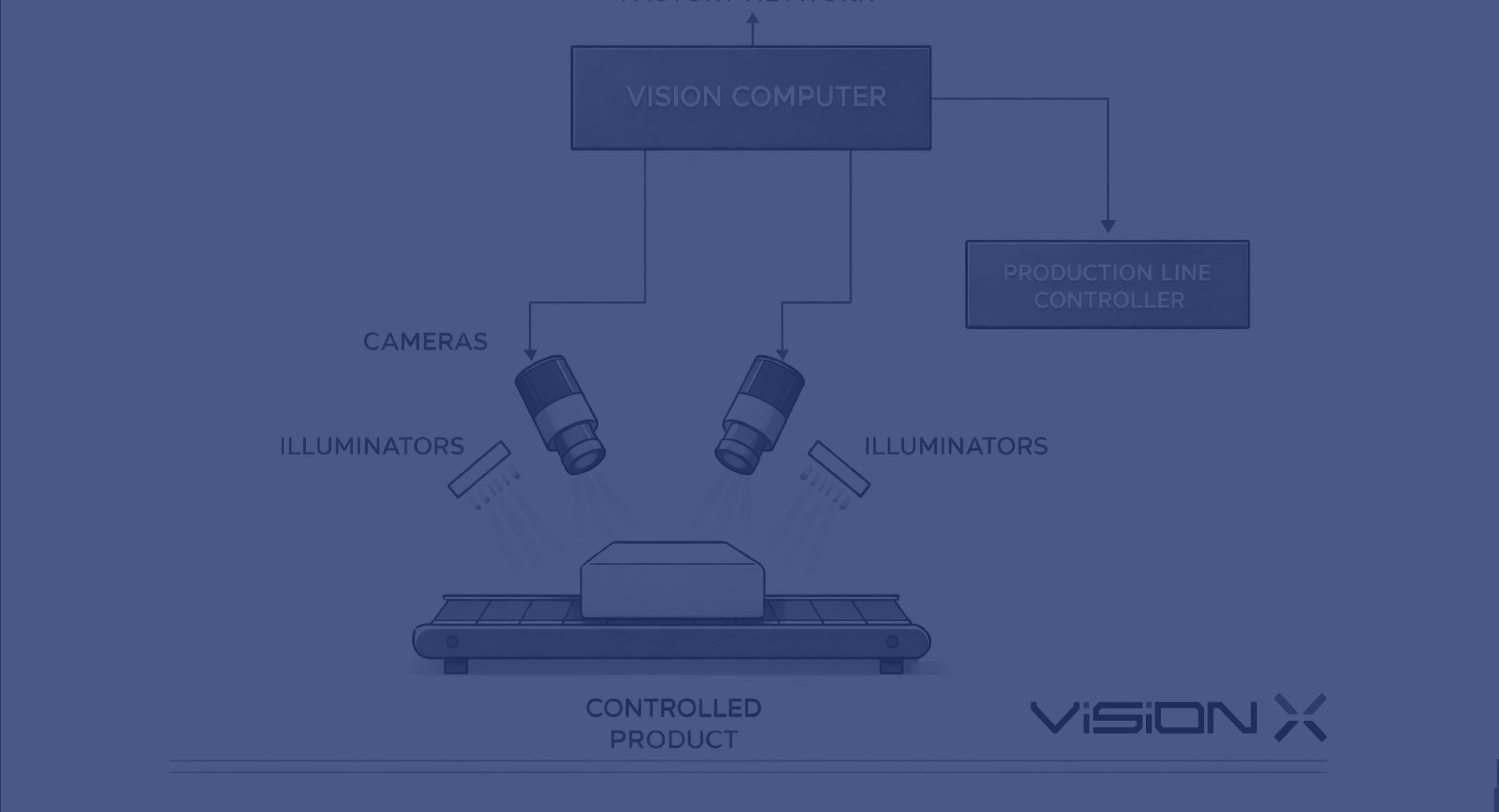
Our in-line vision systems can perform real-time inspection without stopping the production process. We inspect 100% of production, achieving a non-conformity detection rate of 99.8%.
3. Another reason for implementing automated quality control is the variability of human judgment.
Do two inspectors ever assess the same product differently? This is natural, as humans make decisions based on experience, concentration levels, or individual interpretation of criteria.
What's more, current research shows that employee engagement levels are falling, with only about 21% of employees globally considering themselves engaged, and in Poland, this figure is merely about 8%.
Additionally, younger generations show less attachment and greater detachment from work, which leads to less predictable results and greater variability in decision quality.

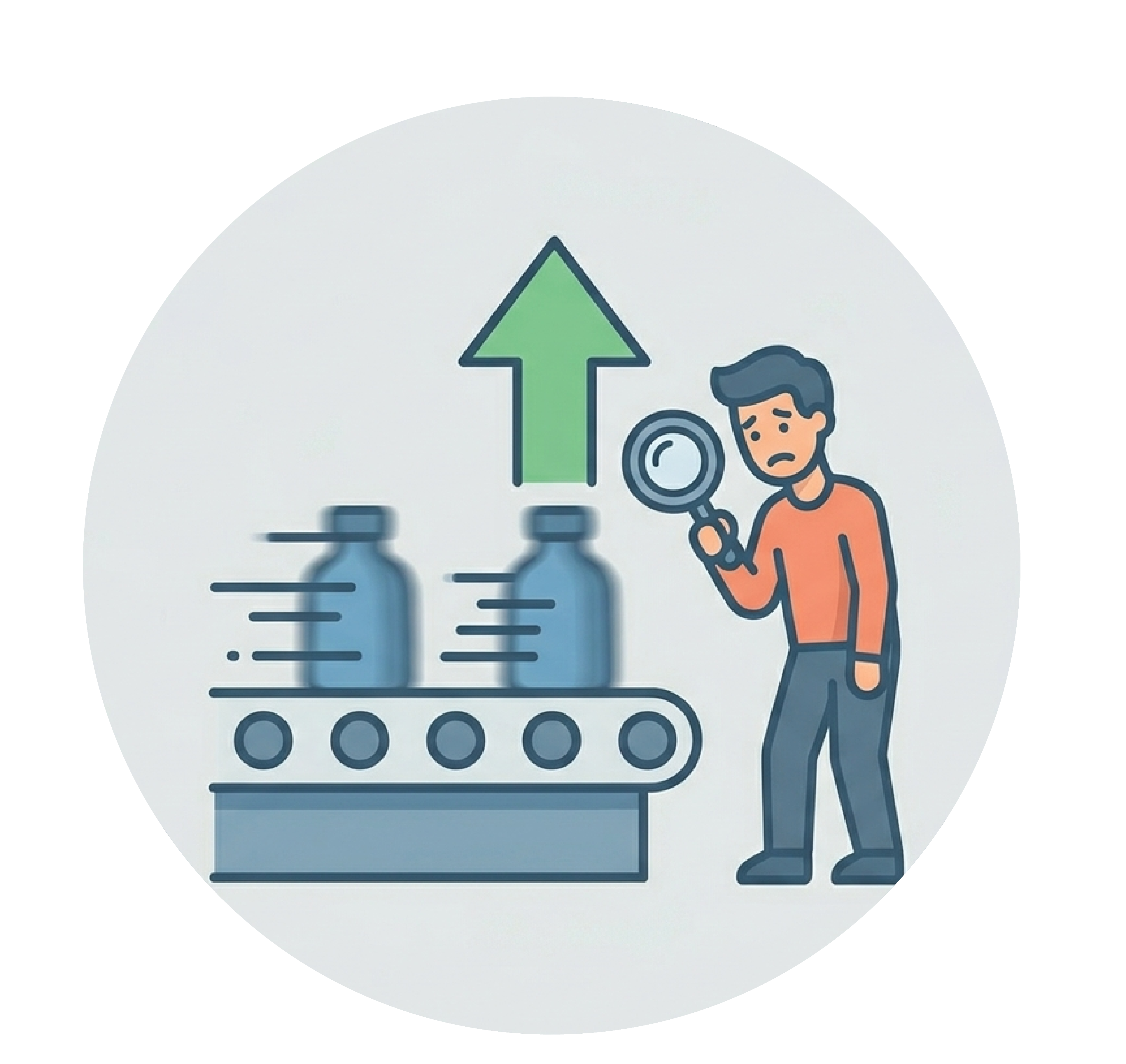
4. Production operates faster than a human can control
As production line efficiency increases, the problem of effective control arises.
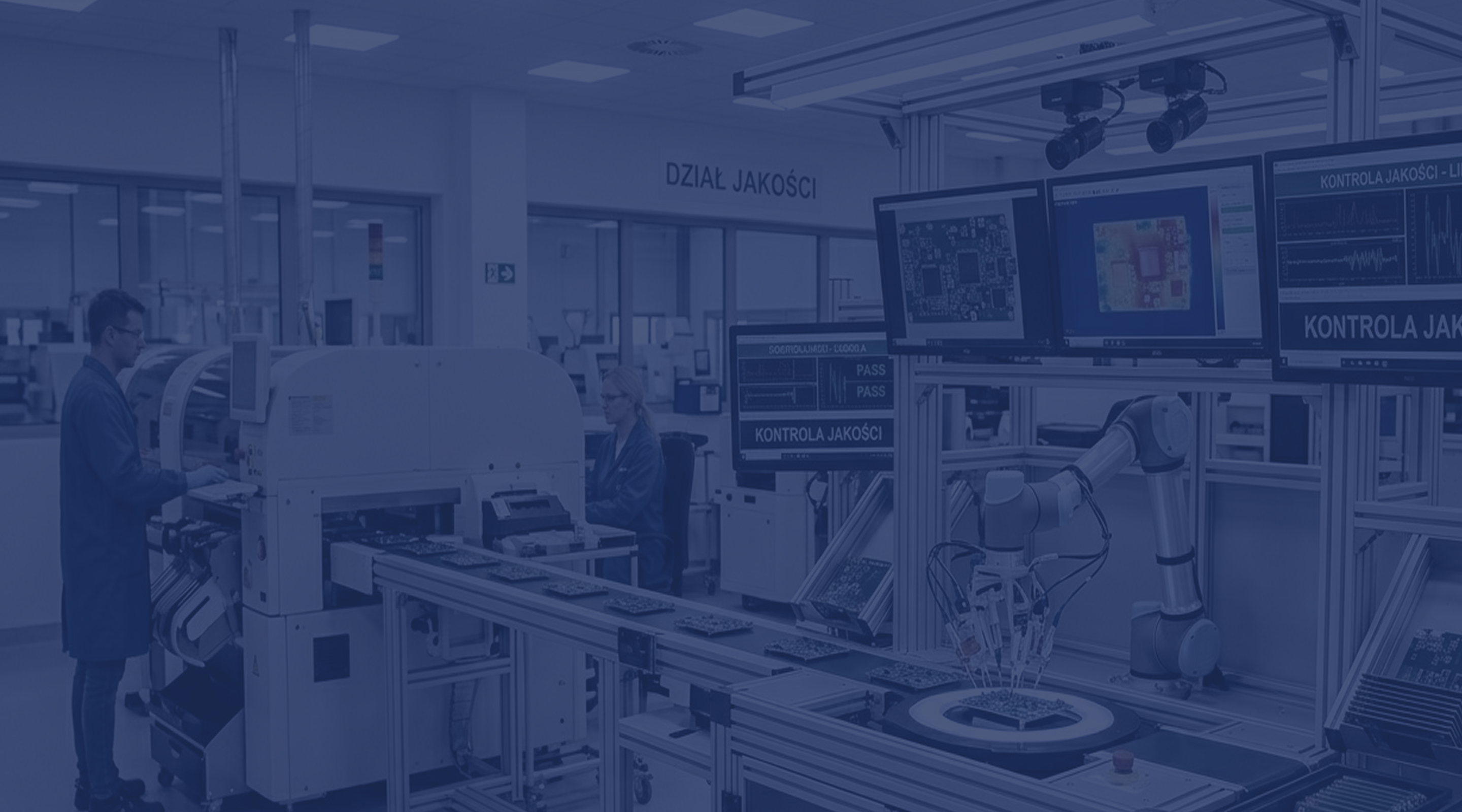
Our research on machine vision systems shows that automated inspection systems significantly increase the efficiency of defect detection and eliminate limitations caused by operator fatigue.
A vision system does not lose focus.
It doesn't need breaks.
It does not decrease effectiveness at the end of a shift.
5. Shortage of quality control personnel
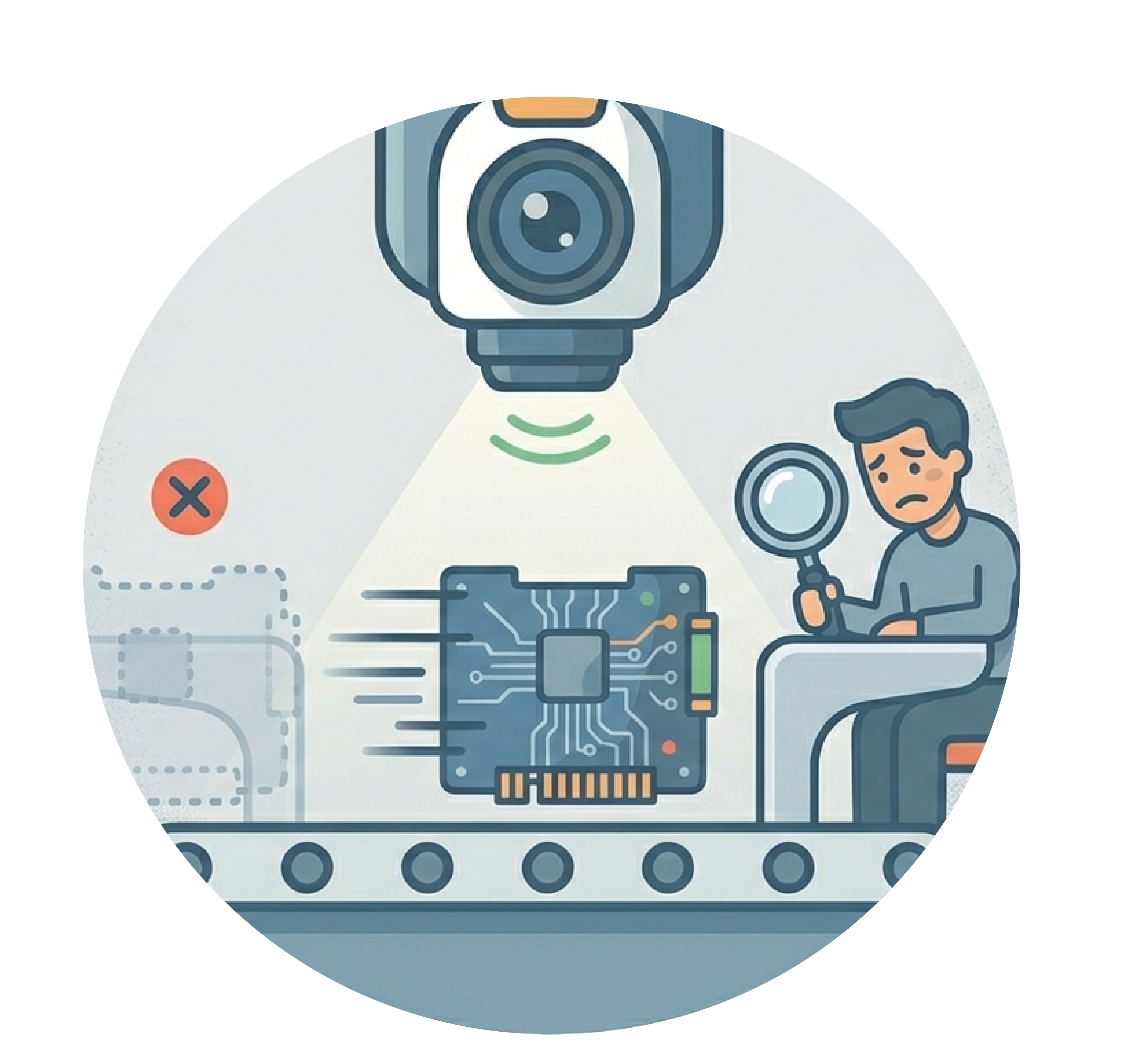
Staffing issues are currently one of the biggest challenges for the industry.
Finding and retaining experienced quality inspectors is becoming increasingly difficult.
Additionally, visual inspection is one of the most monotonous tasks in production, which affects employee turnover.
Automation does not mean replacing people.
It means utilizing their expertise where they bring the most value, for example, in process analysis, problem-solving, and production improvement.
6. You lack the data needed to improve the process
In many companies, quality control is limited to the information: "Good product" or "defective product."
Meanwhile, modern vision systems can collect a vast amount of data regarding the production process.
This allows for analysis of:
- types of defects, their frequency, relationships between defects and process parameters, and the effectiveness of corrective actions.
Quality control ceases to be merely a filter and becomes a source of knowledge about the entire production process.

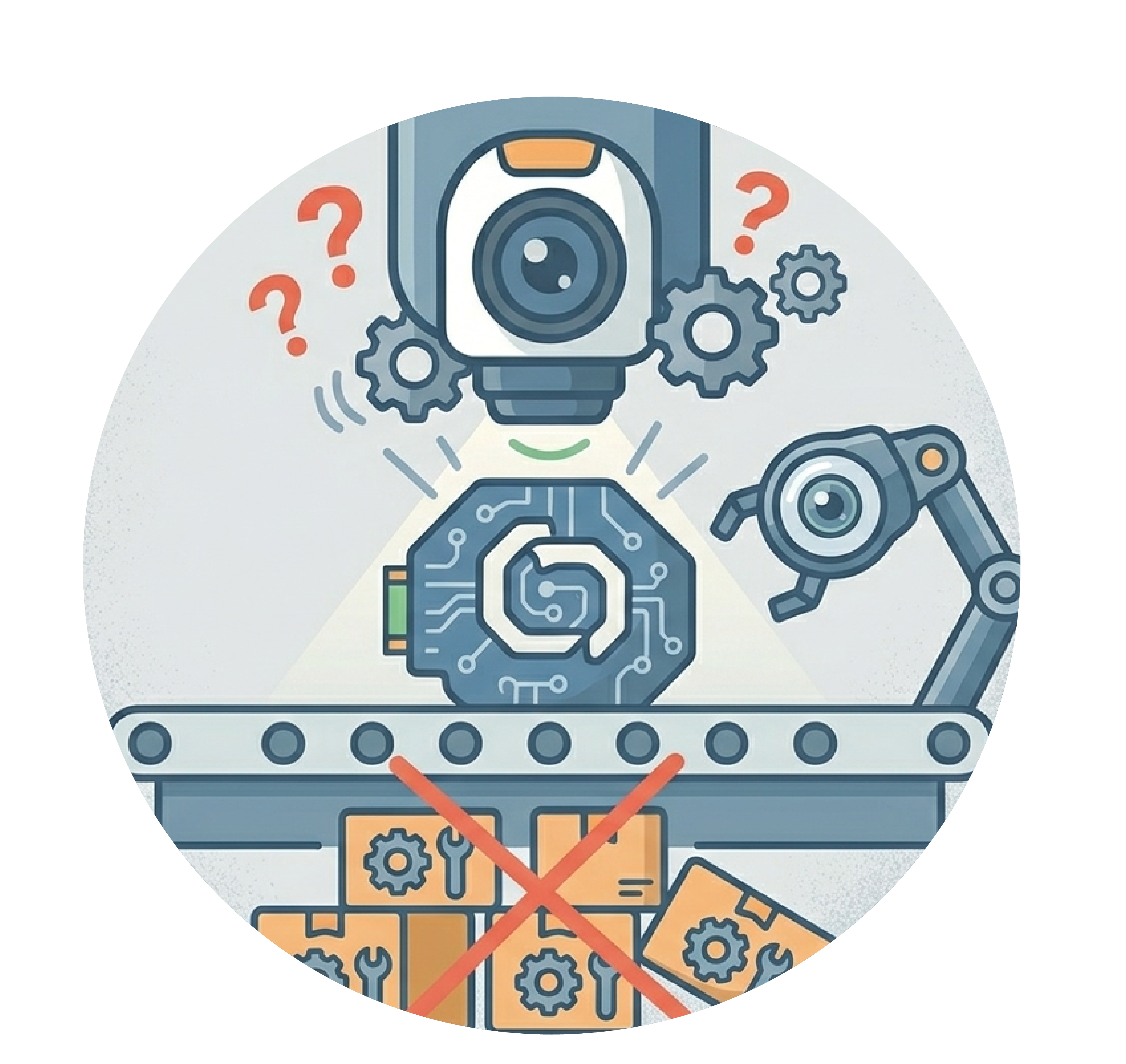
7. Standard solutions don't solve your problem
This is a particularly important signal.
Many companies look for off-the-shelf systems available on the market, but quickly find that their production process is too specific.
Unusual product.
Non-standard defects.
High customer requirements.
Difficult working conditions.
In such situations, individually designed solutions are needed.
We create complete vision systems and inspection machines tailored to specific production processes. We start each project by analyzing the problem, then conduct research and tests, and only then design and implement the solution.
This results in systems that meet the real needs of clients and most often solve problems for which no ready-made devices are available on the market.
Newsletter & Quote
Want to implement a vision system in your company?
Subscribe to our engineering newsletter and receive a free consultation and quote for a solution tailored to your production line needs.
Thank you! Your submission has been received!
Oops! Something went wrong while submitting the form.
See other articles